Vi opsamler cookies til at gøre oplevelsen bedre. Når du benytter vores website, giver du samtykke til anvendelsen af cookies. Læs mere.


Behind FTC®

THE WORLD OF FTC®
FTC® stands for Cashmere with Purpose and a positive attitude towards life. Founded in 2003, the family business has established itself as a knitwear specialist in the premium sector. What makes FTC® unique is that we manage our entire value chain - from growing the fodder for its own cashmere goats, to manufacturing processes and to the finished fashion styles.
01.
ABOUT FTC®
At FTC®, we believe in creating high-quality, timeless products that embody a positive attitude to life. Sustainability is at the core of everything we do, spanning social, economic, ecological, and cultural aspects.
Since day one, we have worked closely with our partners, employees, and farming families, fostering meaningful collaborations and pioneering sustainable initiatives. Guided by our core values - passion, carefulness, and responsibility - we continuously push the boundaries of innovation while staying true to what our name stands for today - Cashmere with Purpose.

OUR MISSION
At FTC®, we create fashion that feels good to wear and good to stand behind. Our mission is to make premium knitwear that respects the people involved, the animals that provide our Cashmere, and the resources required to produce it. By combining craftsmanship with responsible practices, we aim to offer pieces that feel dependable, comfortable, and considered, season after season.
02.
FAMILY KNEZOVIC
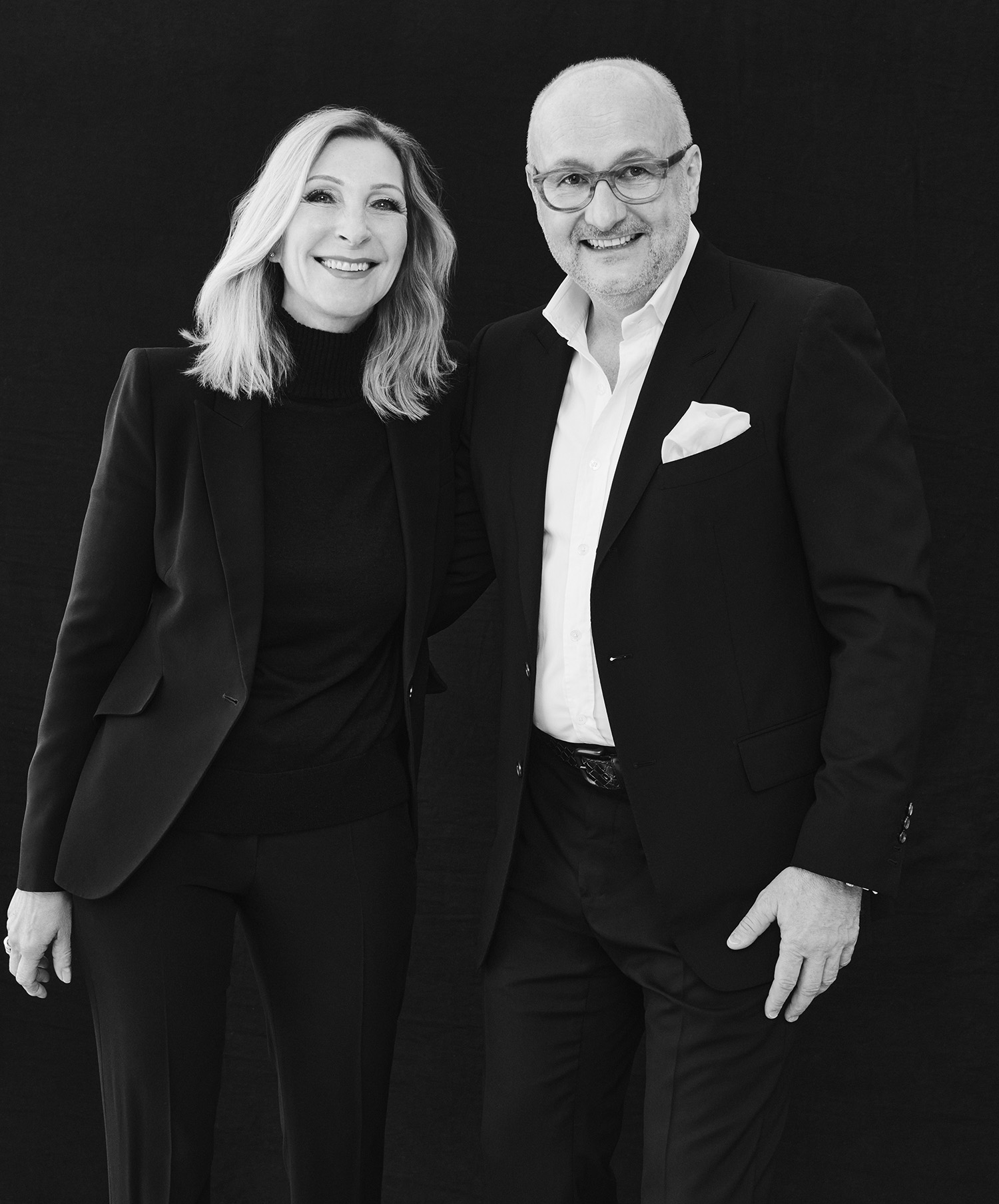
At the heart of FTC® is the Knezovic family, whose passion for craftsmanship, responsibility, and sustainability has shaped the brand from the very beginning. Founders Andreas and Jutta Knezovic built FTC® on the principles of quality, responsibility, and innovation, creating a company that stands for more than just fashion.
Today, the second generation, Adrian and Jana Knezovic, carry this legacy forward with fresh perspectives and a commitment to continuous development. While honoring the values instilled by their parents, they push FTC® into the future, redefining premium knitwear with a focus on transparency, sustainability, and timeless design. As a family, they embody the spirit of FTC®.
Andreas & Jutta Knezovic
Andreas Knezovic, Founder and CEO of FTC®, plays a key role in overseeing production in China, where he is affectionately known as "Lao Hu" - big tiger. This honorary title reflects his leadership, courage, and success. His open, ambitious, and generous nature has allowed him to build strong, reliable partnerships in China. Since FTC®'s founding in 2003, his wife, Jutta Knezovic, has been an essential force in shaping the brand. As COO, she has led the European business with intelligence and creativity, helping to establish FTC® as a premium fashion brand, renowned for its signature knits.

Adrian Knezovic
As Co-CEO of FTC®, Adrian Knezovic is shaping the future of the brand with a strong focus on business development and global strategy. Overseeing international operations, he plays a key role in expanding FTC®’s presence overseas and is increasingly involved in strengthening strategic partnerships in China. With a deep understanding of the industry and a forward-thinking approach, Adrian ensures the company’s continued success while staying true to its values of innovation and sustainability.

Jana Knezovic-Grau
As Head of Brand and Product, Jana Knezovic-Grau brings a unique vision and creative energy to FTC®, infusing the brand with a fresh twist and innovative spirit. Building on the legacy of her mother, Jutta Knezovic, she leads the design team in Switzerland, combining a keen eye for detail with an unwavering commitment to quality. Jana is not only dedicated to refining FTC®’s signature style but also ensures the brand remains forward-thinking and dynamic. Her fresh perspective and innovative approach are central to shaping the next exciting chapter of FTC®.
→
03.
OUR MILESTONES
From humble beginnings to industry leadership, our journey has been defined by innovation, responsibility, and an unwavering commitment to constantly rethink and improve our sustainable practices. From our early days to where we stand today, each milestone represents a step forward in our commitment to responsible craftsmanship and long-term sustainability. Join us as we look back on the key moments that have shaped our journey.
2003
FTC® is founded by Andreas and Jutta Knezovic in Rosenheim, Bavaria, marking the beginning of a journey driven by the values of responsibility, quality, and sustainability.
2004
A logistics center is established in Niederndorf, Austria, and the company pioneers its own production in China.
2005
The company headquarters relocates to Switzerland, a key step in solidifying its international presence.
2007
FTC® launches its Farmer Protection Program and opens its first school in Shaanxi province, marking the beginning of its commitment to social responsibility.
2009
The first school expands into larger premises, while the company also opens its Goat Breeding Farm, elevating its sustainable practices.
2011
A significant step forward in innovation: FTC® introduces SEACELL, enhancing its materials for a more sustainable future.
2016
The next generation, Jana and Adrian Knezovic, step into leadership roles, bringing fresh energy and vision to FTC®.
2017
FTC® breaks ground on an ambitious farm project, underscoring its commitment to sustainability and innovation.
2018
A solar system is installed at the production site, furthering FTC®’s efforts in reducing its environmental footprint.
2019
UpKnit - Upcycling for Uniqueness by FTC® is launched, alongside the company’s full conversion to green electricity in Europe and the start of certification implementations.
2020
The value chain is physically verified through Haelixa, providing transparency and assurance in FTC®'s sustainable practices.
2021
FTC® achieves climate neutrality across the company, products, and processes, and all products are certified with STANDARD 100 by OEKO-TEX®.
2022
UpKnit - Upcycling for Uniqueness by FTC® is nominated for the Green Business Award, and FTC® earns the MADE IN GREEN certification by OEKO-TEX®, reinforcing its leadership in supply chain transparency.
2024
FTC® launches the Tiny Luxe Collection, a sustainable luxury baby line, and wins the Fair Fashion Award 2024 in the "Established" category by Swiss Textiles, reaffirming its commitment to transparency.
→
04.
OUR COMMITMENT
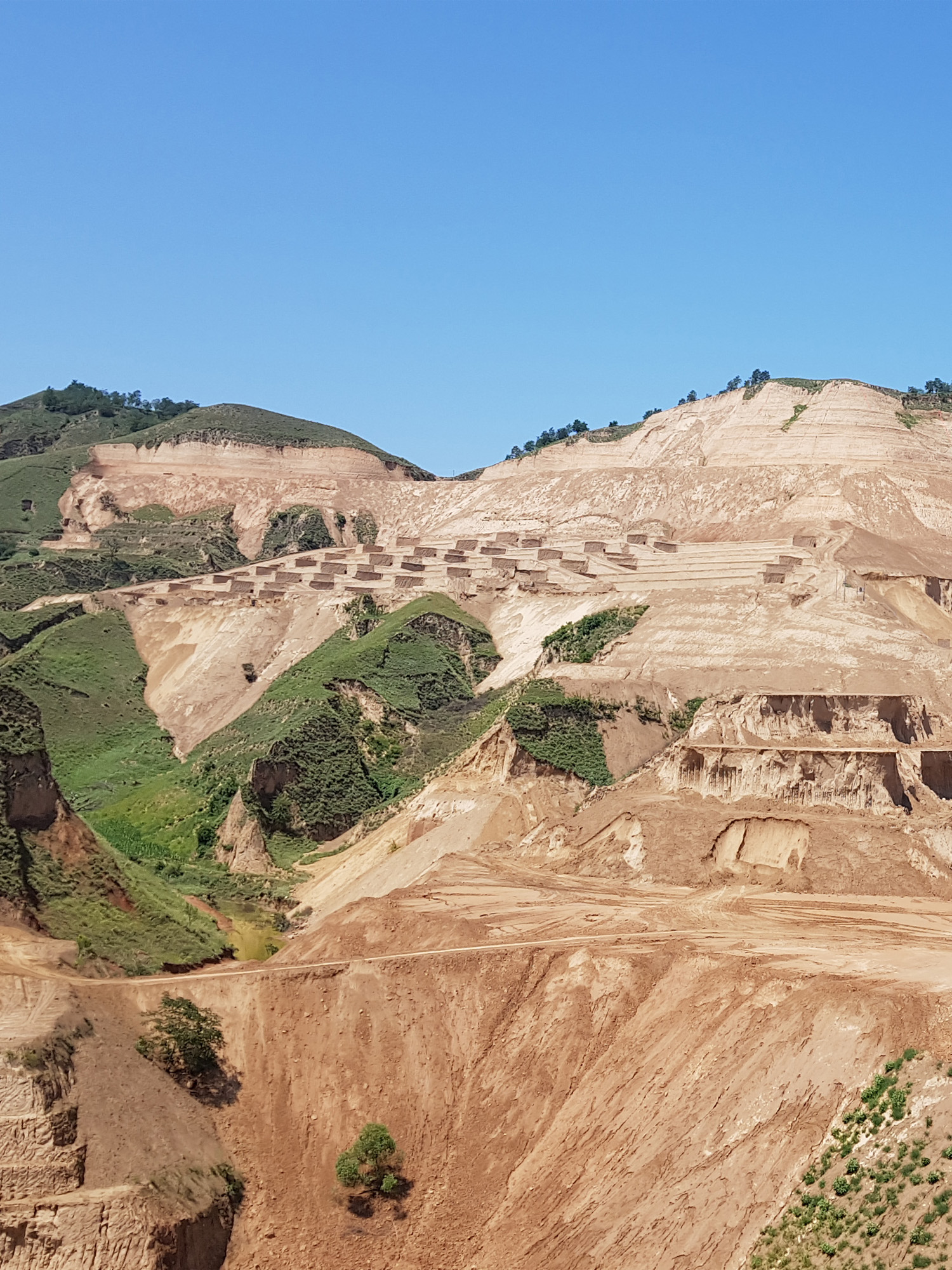
FTC® is more than a cashmere brand - it is a cultural project built on sustainable structures from ethical animal husbandry to the final product. As a vertically integrated brand, we oversee every step of the supply chain, from cultivating fodder for our own cashmere goats to crafting premium knitwear, ensuring full transparency, sustainability, and responsible practices throughout. Long-standing partnerships and continuous quality monitoring uphold our high standards, while mutual respect among everyone involved - from farmers to customers - remains at the heart of what we do.
04.1
OUR PEOPLE
The well-being of our employees and partners is at the heart of our operations. With up to 400 employees involved in production, we prioritize fair wages, job security, and safe working conditions. Our in-house canteen provides nutritious meals, and we foster long-term relationships built on trust and respect. Regular communication and close collaboration foster trust, creating a positive work environment. We believe that good living conditions are the foundation for long-lasting relationships.
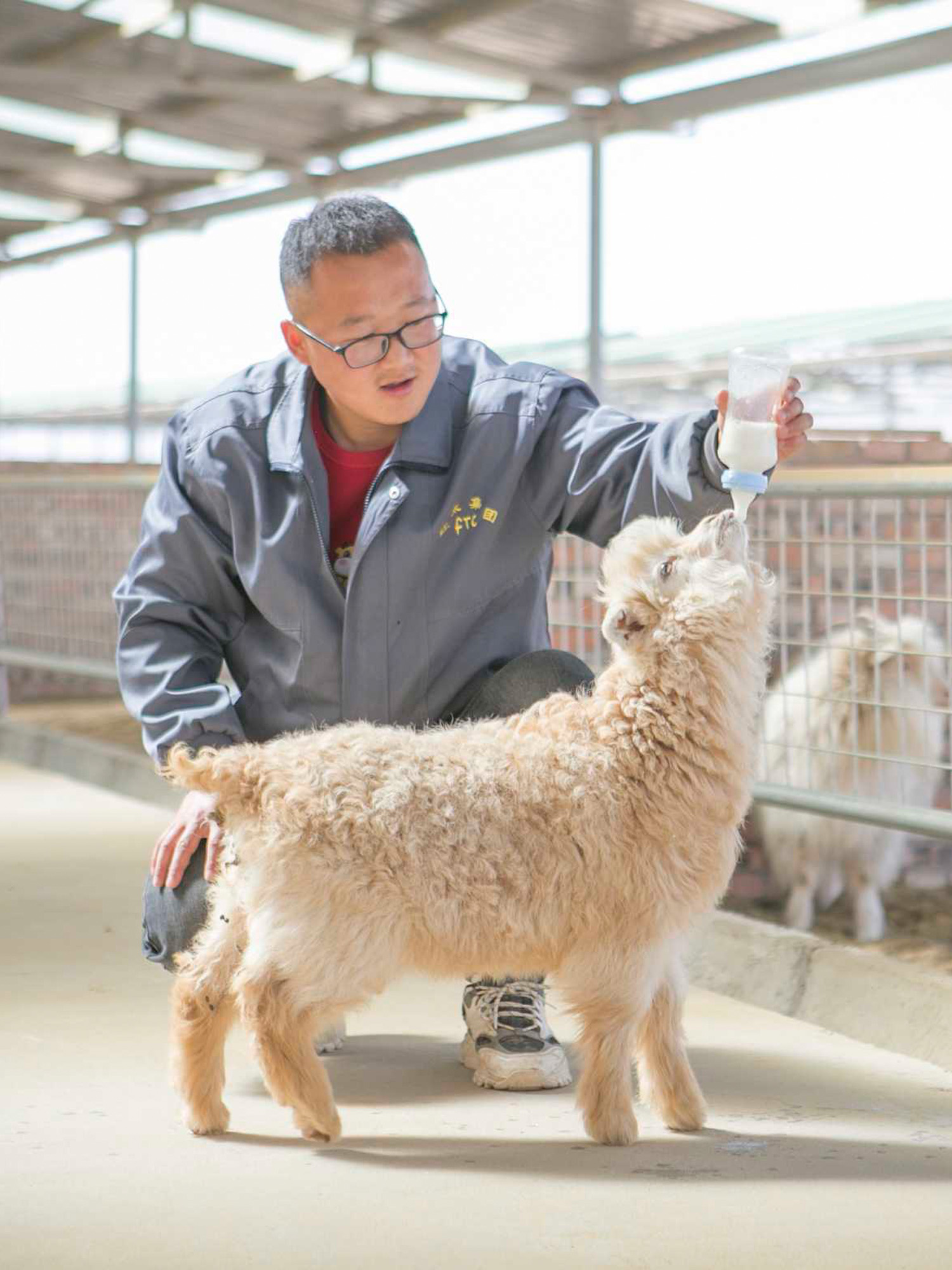
SOCIAL PROJECTS
Farmer Protection Program
FTC® has an exclusive agreement with the local government and farmers to purchase cashmere raw material at market prices plus a premium. This globally unique project began in August 2008.
Already in June 2007, FTC® launched the Farmer Protection Programme with the local government, supporting the establishment of more FTC® farms. Farmers report their goat populations annually and register the animals. Under veterinary guidance, FTC® trains them in species-appropriate and sustainable goat keeping. The integration of goat breeding into larger farms ensures the continuation of this heartfelt project while also benefiting independent farmers through reliable fodder sources.
Swiss International FTC® World Hope School
Long-term, fair partnerships are built on giving as well as taking. To give back to the local farmers, FTC® staff, and residents of Shaanxi - and to support children's education - FTC® initiated an all-day school. After approval in June 2006, local craftsmen built the school within a year. On 1 June 2007, coinciding with China's Children's Festival Day, the Swiss International FTC® World Hope School opened, offering around 100 children aged 4 to 14 a basic education. Over time, sports and play areas were added to foster social and physical development.
Due to high demand, FTC® received government approval to expand, leading to the inauguration of the larger Swiss International FTC Cashmere World Hope School in July 2009. Today, it educates around 1,000 children. Now part of the government education system, FTC® continues to support its maintenance and modernization, proud to contribute to the education of future generations.
→
04.2
OUR GOATS
Our commitment to sustainability begins with our approximately 30,000 cashmere goats in the highlands of Shaanxi, China. Like humans, goats need a nutritious diet for their well-being and to grow high-quality Cashmere. That’s why we feed them a specially developed mix of alfalfa and corn, cultivated near our farm. FTC® follows strict animal welfare guidelines and works with national universities to ensure regular health checks by specialists.
Each year, as winter transitions to summer, the fine undercoat of our goats is carefully collected with patience and expertise. Generations of employees pass down their knowledge, ensuring ethical farming remains at our core. Owning and managing our own farm allows us to care for our animals responsibly. Preventing animal cruelty is fundamental to our philosophy, and we firmly oppose any mistreatment.
FTC®’s animal welfare regulations are based on eight key principles, covering breeding, health, living conditions, shearing, transportation, and overall animal management. To promote transparency and humane practices, we meticulously document and track each goat, ensuring fair and ethical treatment at every stage.
04.3
OUR PLANET
Responsibility and care for our planet go hand in hand. That’s why FTC® takes a holistic approach to minimizing our environmental impact - from resource use in manufacturing and energy consumption to the packaging that arrives at your doorstep. We continuously strive to improve, using sustainable materials, optimizing processes, and reducing waste to protect our environment for future generations.

Solar Energy
To further reduce our carbon emissions we increasingly use solar energy in our manufacture. Therefore, we take a regional pioneering position by having renewable energies in our energy mix.
Water Treatment
To avoid harming our nature, we have a water treatment system in our manufacture which ensures that only purified water flows into the groundwater. In this way, we are one step closer to a more pure production.
Reducing Waste
Cashmere yarn waste has been completely avoided since launching our UpKnit line. We have also decided against the use of plastic packaging. Our FSC-certified paper bags are 100% recyclable.
Rammed Earth Project
To cut CO2 on our path to carbon neutrality, we developed a project with Lehmag using rammed earth instead of fired bricks. This traditional technique uses local natural materials and helps reduce emissions from conventional brick production.
→
COLLABORATIVE PROJECTS
Reforestation
New forests for more animal and plant species as well as jobs for people in the Chinese province of Guizhou. The project plants native species on barren lands for greenhouse gas removal whilst contributing to local sustainable development. 23,720 hectares of the forest is being planted on barren lands. Prior to the project activity, these areas were characterized by poor ecological environment and karst rocky desertification. The afforestation of new or reforestation of degraded areas is an important contribution to increasing the biosphere's carbon storage capacity. Sustainable forestry is able to absorb large quantities of carbon due to the use of fast-growing species.
Solar Energy
Zero-emission energy through new solar cells to halt global warming and provide long-term energy security in Northwest China. The total expected GHG emission reductions amounts to 379,729 ton of CO2-equivalents over the first crediting period by displacing power generation of those fossil fuel-fired power plants. The local community benefits from the promotion of economic development, increasing employment opportunities and an increasing income opportunities. Since energy from solar panels is created without burning fossil fuels, it is considered emission-free. The growth of renewable energy production is essential to prevent global warming and secure energy supplies for the future.
→
05.
OUR SUPPLY CHAIN
To deliver exceptional quality, we stay close to the source. Our own teams oversee the collection of the raw fibre in Shaanxi, China - where cashmere has shaped everyday life for generations. Goat farming and fibre processing are more than an industry here: they help sustain local livelihoods and a culture deeply connected to nature. That’s why we keep the value creation where the material begins.
From there, the fibre continues to our own manufactory in Hebei, China - where processing, dyeing, spinning, and knitting are carried out under one roof. Keeping production in-house means real transparency and control. Only a few external partners are involved along the way - for example, for selected components such as buttons.
Because our supply chain is owned and managed by FTC®, we can refine each step to meet our standards - fairly, responsibly, and with full accountability.
Step 01 
Cashmere Goat Breeding Farm
Everything begins at our farm in Shaanxi, China, home to our cashmere goats and farmers. We focus on healthy herds and consistent fibre quality, so each season starts with cashmere that is soft, clean, and reliable.
Step 02 
Raw Material Collection
In spring, the fine undercoat is gently collected and carefully pre-sorted. Each goat provides around 300 to 400 grams of raw material per year, with the youngest goats producing our especially fine baby cashmere.
Step 03 
Carding
The fibres are carded 8 to 12 times to achieve an airy, even texture. This repeated combing aligns the fibres and refines the material. The carded raw material is then transported to our manufacturing facility in Hebei, China.
Step 04 
Dyeing
We dye the cashmere as fluffy fibre using our flake dye process in our own dyeing plant. Although more time-consuming, this method creates more brilliant, vibrant colours while preserving the natural softness of the cashmere.
Step 05 
Spinning
Next, the dyed fibres are spun in a complex process that defines the yarn’s character. This step balances softness and strength, creating a stable yarn that feels light on the skin and holds up beautifully over time.
Step 06 
Knitting
Our styles are knitted fully-fashioned on modern flat knitting machines. By shaping the pieces directly on the machine rather than cutting and sewing, we reduce waste and create cleaner, more precise construction.
Step 07 
Linking & Finishing
The individual parts are linked together with precision for a seamless, refined result. Finishing adds the final details, from neat edges to a balanced silhouette and a smooth overall appearance.
Step 08 
Washing & Preparation
After assembly, garments are washed to settle the knit and reveal the final softness. This step helps each piece find its final shape, drape, and surface texture.
Step 09 
Quality Control
Before packing, every item is carefully checked and prepared. Each garment is inspected, smoothed, and finished to ensure it meets our standards and arrives in excellent condition.
Step 10 
Packing
Finally, each garment is packed to protect the knit during transport and storage, using only what is truly needed. Every piece is lovingly wrapped in our FSC-certified kraft paper bags.
→
05.1
TRACEABILITY
MADE IN GREEN by OEKO-TEX®
FTC® is the first vertically integrated fashion brand to receive the MADE IN GREEN by OEKO-TEX® label. The MADE IN GREEN by OEKO-TEX® label is an independent label that combines product safety with verified, responsible production.
Every FTC® product comes with an individual QR code on the hangtag. By scanning it, you can use the OEKO-TEX® Label Check to view key stages of the product’s journey, from material processing to garment production.
MADE IN GREEN is based on OEKO-TEX® STANDARD 100 and STeP. FTC® has been STANDARD 100 certified since 2021 and achieved the MADE IN GREEN label in 2022 after a nine-month, company-wide STeP review.
05.2
SUSTAINABILITY GOALS
SUSTAINABLE TEXTILES SWITZERLAND 2030
FTC® sees sustainability as ongoing work. We keep reviewing our processes and updating how we operate, step by step.
Since March 2023, FTC® has participated in Sustainable Textiles Switzerland 2030 (STS2030), a multi-stakeholder program supporting the Swiss textile and clothing sector in contributing to the Sustainable Development Goals (SDGs) across the value chain.
Through STS2030, we commit to taking measures that support four shared goals: climate impact, fair working conditions, circular business models, and transparency.
→
06.
MATERIALS & KNIT-INNOVATIONS
With deep expertise in cashmere, FTC® stands for uncompromising quality and a carefully curated range of materials. From pure cashmere to considered blends and knit innovations, every yarn is chosen for its feel on the skin, everyday performance, and longevity.

Cashmere
Cashmere is our core. The fibres come from FTC®’s own cashmere goats in Shaanxi, China, and are collected once a year during the natural change of coat. Known for its exceptionally soft handfeel, cashmere also helps balance comfort across temperatures, which is why it works beyond winter.

Natural Yarn
Natural Yarn is 100% cashmere in its original colour. The raw material is neither dyed nor bleached, so the natural shades of the fibre stay fully preserved, pure cashmere, as it comes.

Seacell Cashmere
Developed by FTC® over one and a half years of research, this material blends cashmere with SEACELL, a brown algae and lyocell-based fibre described as 100% biodegradable. The idea is added comfort on the skin, with algae-based substances released through natural skin moisture when wearing the garment.

Organic Cotton Cashmere
A lighter blend designed for warmer months. FTC® combines cashmere from our own farm with organic cotton, using a 30% cashmere and 70% organic cotton ratio to create knitwear that feels cooler and pleasantly light, while keeping the signature softness.

Baby Cashmere
An extremely rare cashmere quality, obtained exclusively from the underfur of young cashmere goats aged around five to eight months. It is collected through gentle combing that is harmless to the goats, and is valued for its incomparable softness and lightness.

UpKnit
UpKnit is FTC®’s upcycling knit innovation. Even with precise yarn planning, small amounts of yarn remain after knitting, so FTC® developed a technique to seamlessly join leftover threads and create unique multicolour yarns, with each piece becoming one of a kind. Thanks to our UpKnit we achieved a zero waste production.
→